

Looking to try us out? Request a demo
Roleplay Simulator for Clinical Skills

Praxplay is a Roleplay Simulator for Real-World Skills

Practice clinical conversations, refine your therapeutic approach, and build confidence before you’re in the room with a real client.

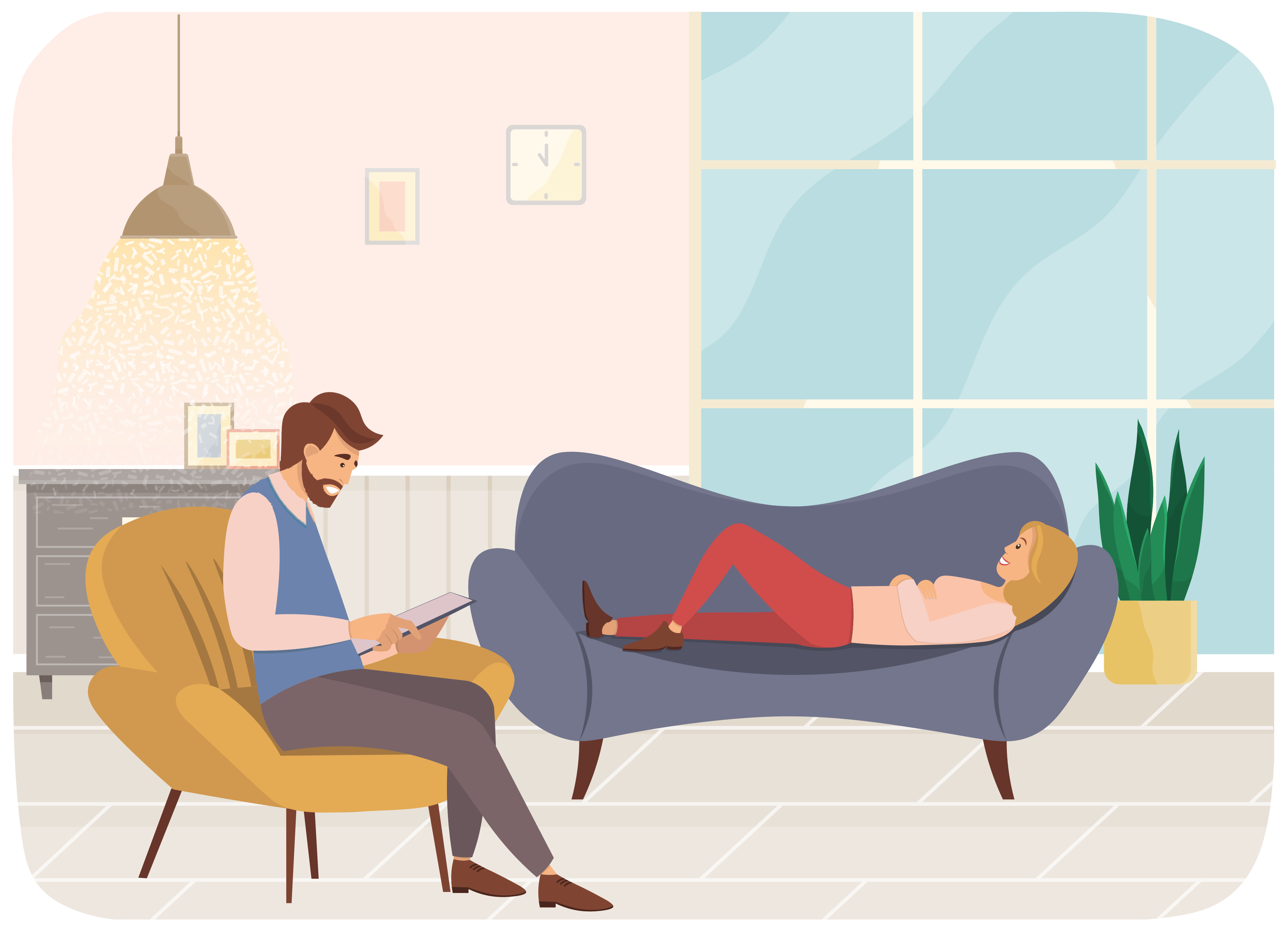
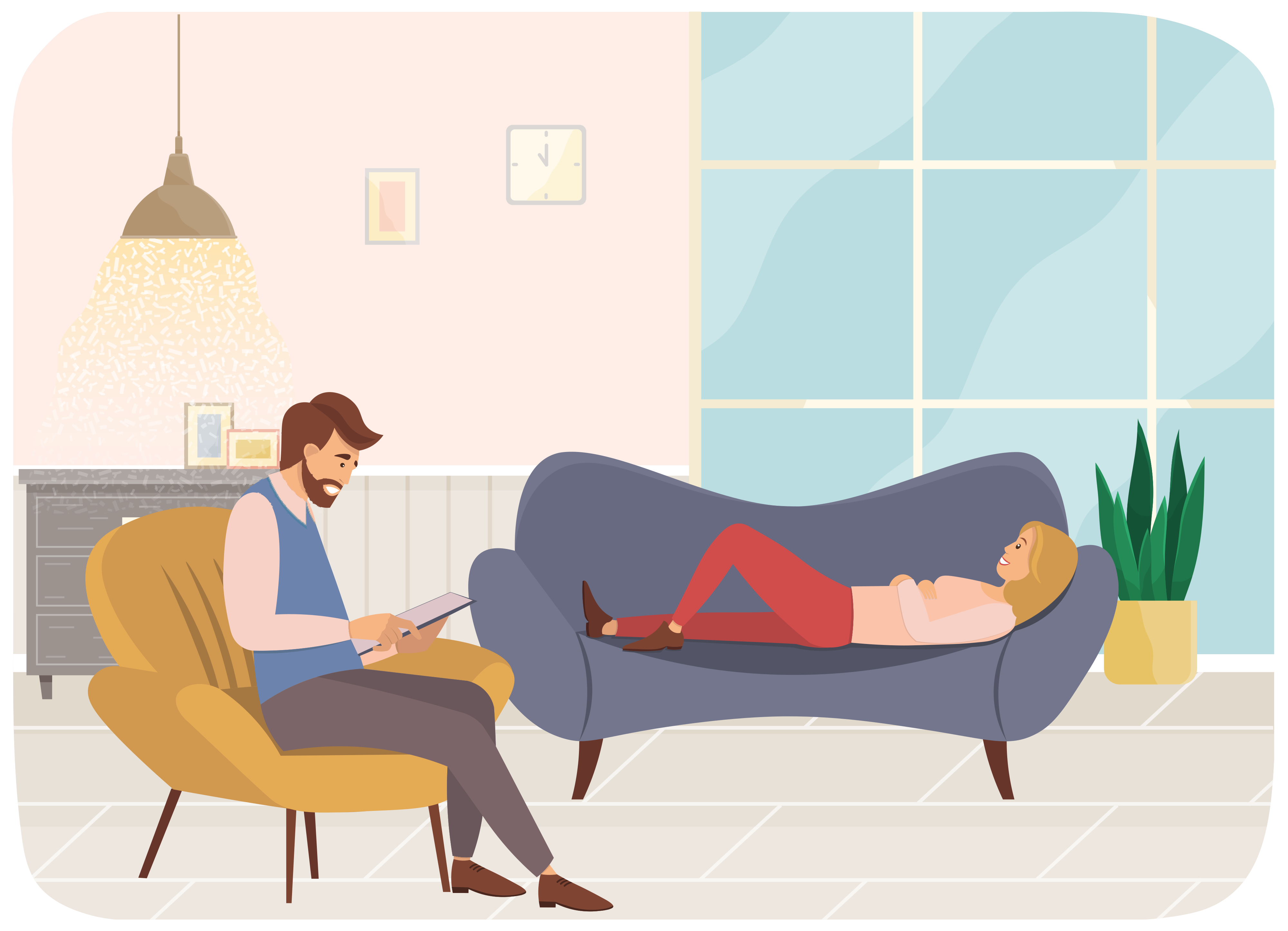
Clinician practicing a roleplay conversation with a Praxplay AI persona

Designed for supervisors, supervisees, and training programs who want more than theory — they want structured, repeatable practice.

Praxplay gives you a space to work through clinical moments, test your approach, and receive actionable feedback you can immediately apply.

Therapy supervisees engaging in a realistic Praxplay roleplay conversation
Overview

What is Praxplay?

Praxplay is an AI-powered roleplay simulator for real-world clinical skills — a space to practice realistic therapy conversations with dynamic AI personas, receive structured feedback, and try again until your responses feel grounded and intentional.

Praxplay allows you to engage in realistic clinical conversations using dynamic personas that reflect the complexity of real clients.

You’re not just thinking through what you would say. You’re actively working through how you do respond, moment by moment.

After each conversation, you receive structured feedback to help you:

  • Identify strengths in your clinical approach
  • Recognize missed opportunities
  • Adjust interventions and responses
  • Strengthen clinical decision-making

Then you do what traditional training rarely allows:

You try again.

The Praxplay Loop

How It Works

Five steps you can repeat as many times as it takes to feel ready.

1

Create a Persona

Build or select psychologically complex personas that reflect the types of clients, students, or situations you’re working with. Practice more than scripted responses — develop clinical judgment inside realistic human interactions.

2

Define the Context

Set the conversation environment, goals, and circumstances. Practice across settings like intake sessions, supervision, crisis response, school counseling, telehealth, and more. Identify the approach you want to practice.

3

Enter the Conversation

Engage in realistic interactions that evolve in real time. Adapt your responses, navigate complexity, and respond as the conversation unfolds.

4

Review Your Report

Receive actionable feedback on communication patterns, clinical decisions, relational dynamics, overall approach, and the skills you are working on.

5

Refine and Repeat

Apply what you’ve learned and re-enter conversations to strengthen confidence, flexibility, and clinical skill through repetition.

Why this works

Clinical skill is built through experience

Supervision, coursework, and theory are essential. But they don’t always provide enough opportunities to:

Sit in the discomfort of a difficult moment
Try different interventions in real time
See how your approach shifts the interaction
Practice until your responses feel grounded and intentional

Praxplay creates a structured environment for:

Experiential learning

Practice the work itself — not just the theory behind it — in realistic, evolving conversations.

Reflective practice

Review structured feedback, adjust your approach, and re-enter the moment to see what changes.

Skill integration

Turn isolated techniques into grounded, intentional responses you can rely on under pressure.

So when you encounter these moments in real sessions, they are no longer unfamiliar.

For Supervisors

Extend supervision beyond the hour — without increasing your time load

Give supervisees a way to actively practice between sessions, so your time together can focus on deeper clinical insight instead of surface-level review.

Clinical supervisor reviewing supervisee progress with Praxplay

Use Praxplay to

  • Assign targeted conversation scenarios
  • Reinforce specific clinical skills and therapeutic approaches
  • Identify patterns in decision-making
  • Support growth with more than verbal feedback alone

Less shadowing. More action. Instead of relying solely on observation or reenactment during supervision, supervisees come in having already engaged with the work — having tried, reflected, and adjusted their approach.

That means

  • More productive supervision sessions
  • Closer tracking of supervisee development
  • Faster skill development
  • More efficient use of your time

Turn supervision into something that is practiced.

Supervisee building clinical confidence through Praxplay practice
For Supervisees & Students

Build confidence before it counts

You don’t have to wait for the “right” client moment to develop your skills.

Use Praxplay to

  • Work through challenging clinical situations
  • Experiment with different approaches
  • Practice new and difficult skills
  • Learn from structured feedback
  • Develop a stronger sense of clinical presence

Confidence comes from having been there before — even if it was in practice.

Case-Based Scenarios

Practice the moments that shape clinical growth

When a client shuts down mid-session

How do you respond without over-directing or withdrawing?

When a client challenges your approach

Can you stay grounded, curious, and clinically effective?

When emotions escalate quickly

How do you regulate the moment while maintaining therapeutic alliance?

When you feel unsure what to say next

Can you tolerate the silence and respond intentionally?

When navigating resistance or avoidance

Do you push, explore, or shift your approach?

When a session isn’t going as planned

How do you recover without losing direction?

Practice the conversation before it happens

Praxplay is a roleplay simulator that helps professionals and learners build real-world skills through realistic, repeatable conversations.

Confidence comes from experience. Praxplay gives you a safe place to build it before the stakes are real.

From the Blog

Research, product updates, and clinical-education insights.

All posts
Why New Clinicians Struggle With Intake Sessions
· 5 min read

Why New Clinicians Struggle With Intake Sessions

Intake sessions require interns to juggle rapport, assessment, documentation, ethics, and diagnosis all at once. While practice is essential, traditional roleplays and case studies rarely capture the complexity of real clinical work. Learn how realistic simulation and actionable feedback help new clinicians develop confidence before their first real client walks through the door.

When “I’m Not Ready” Actually Means “This Matters”
· 5 min read

When “I’m Not Ready” Actually Means “This Matters”

Clinical internships have a way of exposing the gap between what we know intellectually and what it feels like to sit with a real person for the first time. Imposter syndrome doesn’t necessarily mean you’re unqualified. More often, it means you understand the weight of the work. The goal isn’t to eliminate fear entirely, but to build enough structure, support, and practice that you can move through it with confidence.

Start practicing today

Start your first conversation today and begin refining your clinical approach through practice.